
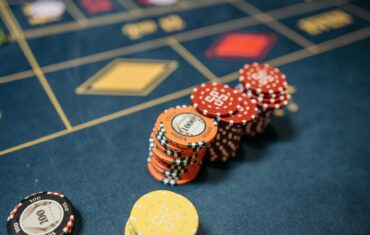
Casino games are built around probability, timing, and player experience. Yet many players notice something interesting while gambling, especially when exploring platforms that feature all yono games. Some games feel much faster than others, even when the odds are nearly the same. A slot game may seem rapid and intense, while a blackjack table can feel slower and more controlled. This difference is not always connected to winning chances. Instead, it often comes from how the game is designed and presented. Understanding these factors can help players make better choices and recognize how casino environments shape behavior.
Game Pace Changes Player Perception
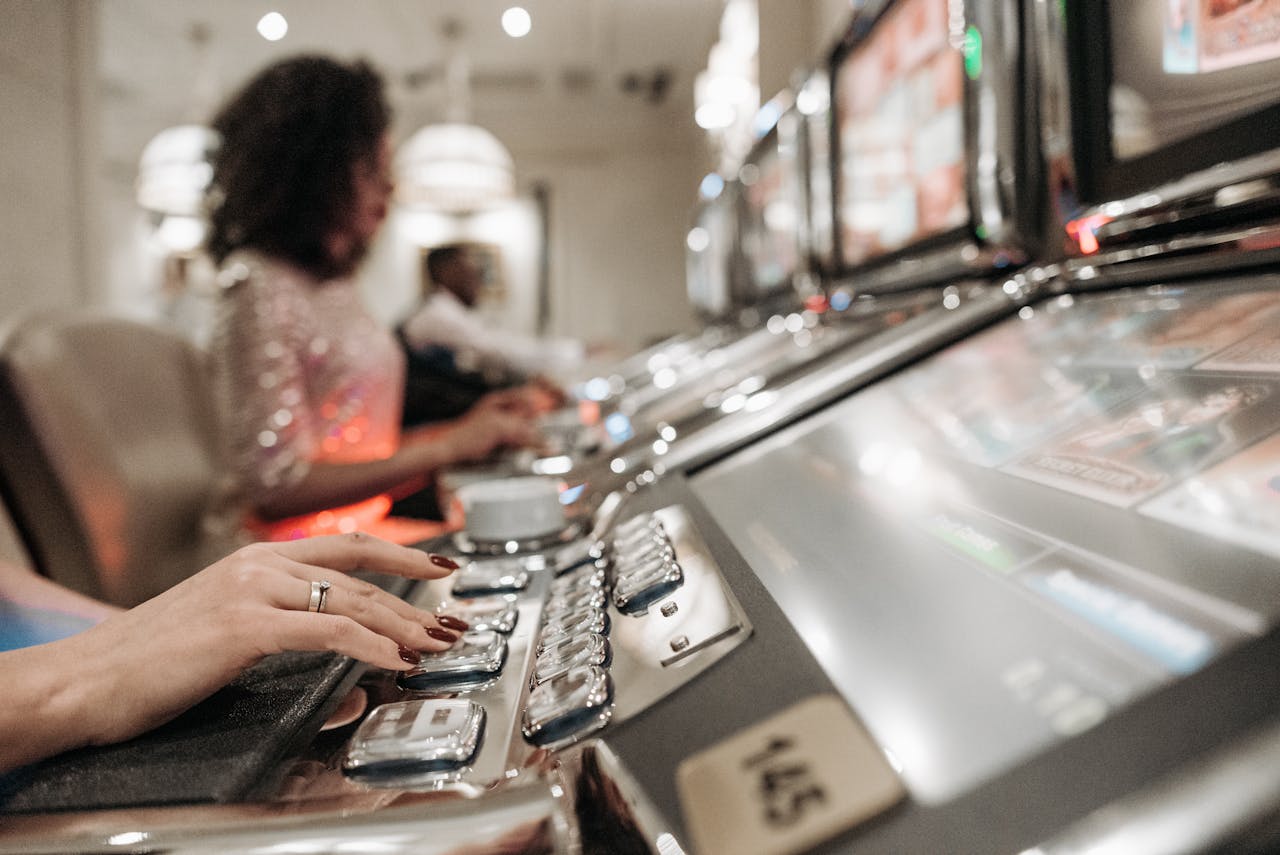
The speed of a casino game is often tied to how quickly rounds begin and end. Slot machines are a clear example. Players press a button, watch the reels spin, and receive a result within seconds. The process repeats immediately. There is very little waiting involved. Table games usually move differently. Blackjack, baccarat, and roulette require dealers, chip placement, and player decisions. Even if the mathematical odds are similar to a slot game, the pauses between rounds create a slower experience. The human interaction naturally changes the rhythm. Fast game pacing can make time feel shorter. A player may spend thirty minutes on slots without noticing how many rounds have passed. Meanwhile, the same amount of time at a poker table can feel longer because each hand takes more attention and discussion.
Visual Effects Create a Sense of Speed
Modern casino games use visuals to shape excitement. Flashing lights, moving animations, and quick transitions create the feeling of constant action. Online slots are especially designed around this principle. Bright graphics and instant feedback keep players engaged from one spin to the next. These effects influence perception more than people realize. Even a short animation can make the brain feel stimulated and active. Rapid sounds and visual rewards encourage continuous play. This creates a stronger sense of momentum compared to simpler games with limited effects. Traditional table games usually rely less on digital presentation. Their slower visuals make the experience feel calmer. The odds may not differ much, but the emotional energy feels completely different.
Sound Design Influences Emotional Tempo
Sound is another reason certain casino games feel faster. Slot machines often use upbeat music, spinning sounds, and celebratory effects after small wins. Even minor payouts may trigger loud audio responses. This keeps excitement levels high. The brain responds strongly to repeated sound cues. Fast-paced audio can increase emotional intensity and make players feel more involved in the game. Silence or slower sound patterns tend to produce the opposite effect. Games like roulette or baccarat usually have quieter environments. Players hear chips moving, dealers speaking, and occasional reactions from the table. The atmosphere feels more measured. That slower audio environment changes how players experience time during gameplay.
Decision-Making Slows Certain Games Down
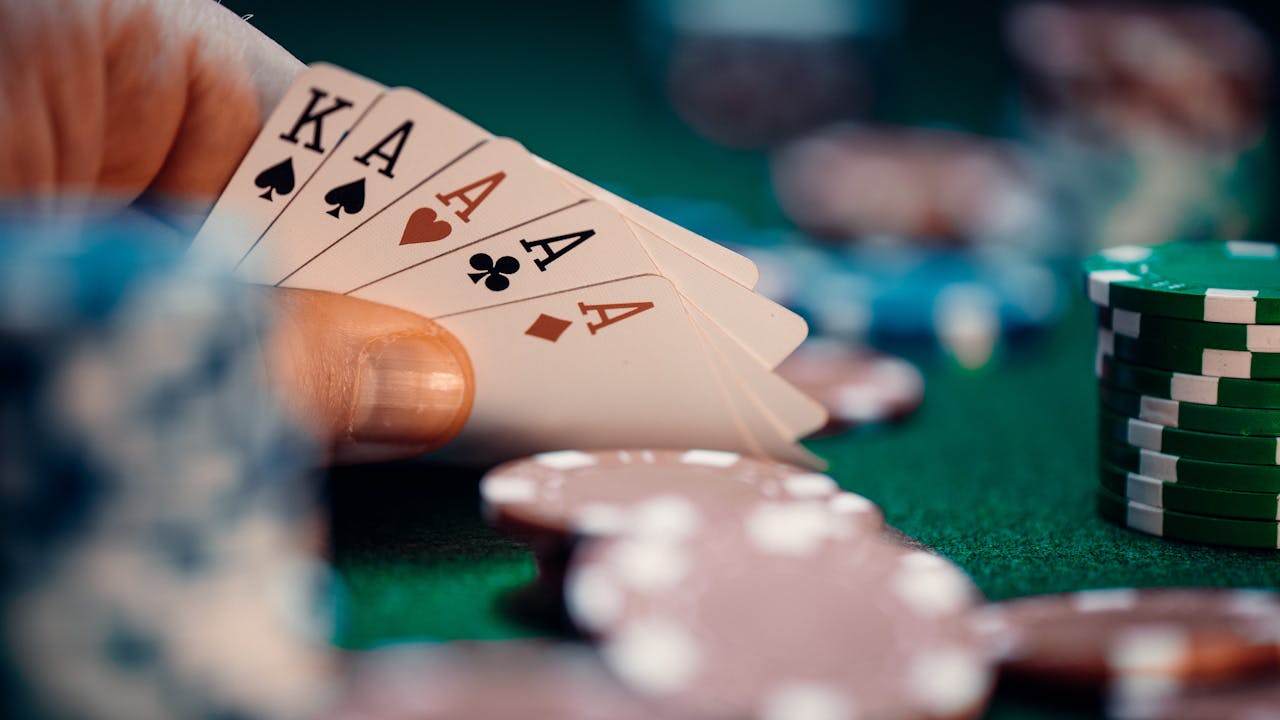
Games that require more thinking often feel slower. Poker is a strong example. Players study opponents, calculate risks, and decide how much to bet. These moments create pauses between actions. Slots demand very little decision-making. A player mainly controls when to spin and how much to wager. Since the brain processes fewer strategic choices, rounds move rapidly. This creates a smoother flow from one result to another. Blackjack falls somewhere in the middle. Players make decisions, but the pace remains quicker than in poker because the options are simpler. Even with similar house edges, games with more mental involvement usually feel less rushed.
Reward Timing Affects the Experience
The timing of rewards also shapes game speed perception. Slot games provide constant feedback. Small wins happen regularly, even if profits remain low overall. These repeated rewards make the game feel active and energetic. Table games often involve longer stretches between wins. A roulette player may wait several rounds before hitting a successful number or combination. Even if payouts are larger, the slower reward cycle changes emotional pacing. This …
Continue Reading