

Online casino games have come a long way. Today, players can enjoy everything from automated card games to live tables streamed directly from professional studios. Yet watching a real dealer shuffle cards, spin a roulette wheel, and interact with players in real time feels noticeably different. Even though both experiences happen on a screen, they don’t necessarily feel the same. So, what makes live dealer casinos stand out from digital tables? The answer has a lot to do with human interaction, atmosphere, and the small details that make an experience feel more personal.
Real Dealers Make the Experience Feel Personal
One of the biggest differences is having a real person behind the table. Instead of watching animations or relying entirely on automated gameplay, players can see a dealer explain the rules, announce results, and respond to messages. If you explore Diwa OK, you may notice that live dealer games offer a more conversational atmosphere than standard digital versions. A greeting or a quick explanation can make the experience feel less mechanical. Still, dealers facilitate the game, not its outcome or strategy.
Real-Time Interaction Changes the Atmosphere
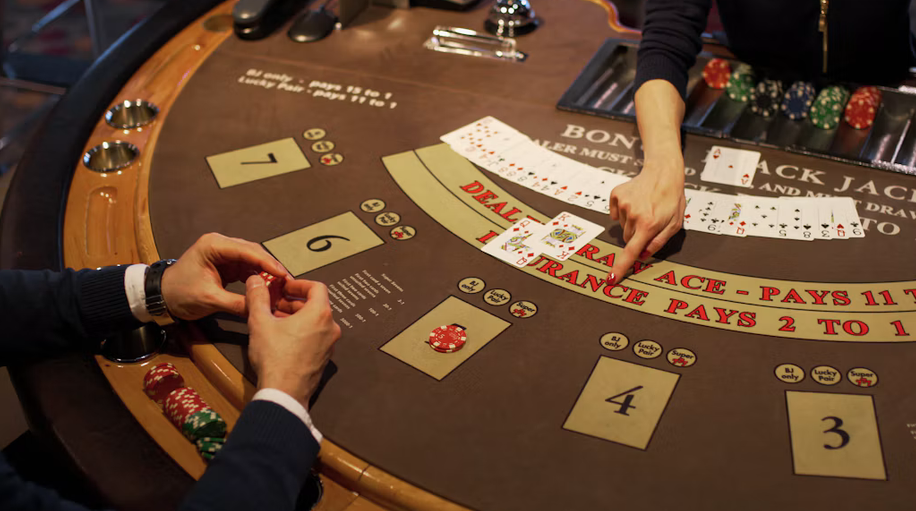
Traditional digital tables usually focus on buttons, menus, and automated results. Live dealer games add interaction through chat features and real-time communication. Players can ask questions about the rules or follow the dealer’s commentary as the game progresses. This creates a shared experience that can feel closer to being in a physical venue. Of course, interaction levels vary by platform, and chat isn’t always available. Even so, seeing events unfold live can make the game feel more engaging than watching a purely animated sequence.
The Studio Setup Adds a Sense of Place
Live dealer games are often filmed in specially designed studios, with professional lighting, cameras, tables, and carefully arranged backgrounds. Some platforms also broadcast from real casino environments. These visual details create a sense of place that ordinary digital tables may lack. Instead of a collection of symbols or a simple interface, players see a physical setting where the action takes place. Camera angles can clearly show the cards, wheel, and dealer, helping viewers follow each round. The result feels more like watching a live event, even when everything is happening remotely.
Transparency and Trust Matter
Seeing a dealer handle cards or operate a roulette wheel can make the process feel more tangible. Players can watch the action unfold instead of relying solely on animated representations. However, a live stream alone doesn’t guarantee that an operator is trustworthy. Reliable licensing, independent oversight, clear game rules, and secure account practices remain important. Players should also understand how bets are settled and what procedures apply if a stream disconnects. Trust comes from a combination of visible gameplay and sound operational standards, not simply from having a real person on camera.
Digital Tables Still Have Their Advantages
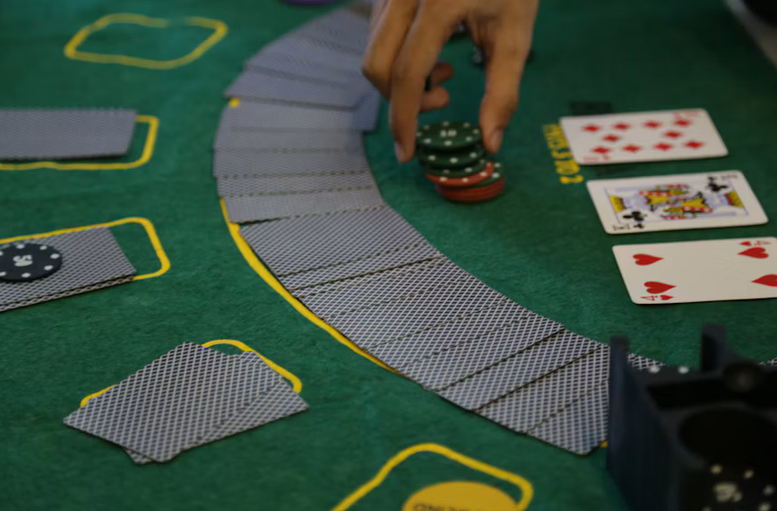
Despite the appeal of live interaction, automated digital games offer their own benefits. They may load quickly, allow shorter rounds, and provide interfaces that are easy to navigate on mobile devices. Some players prefer not to interact with a dealer or wait for other participants to complete their turns. Digital tables can also be more convenient for people who want a straightforward interface without additional streaming elements. Neither format is automatically better for everyone. The experience largely depends on personal preferences, accessibility needs, and how much interaction someone enjoys.
Convenience Doesn’t Remove the Risks
Live dealer games may feel social and relaxed, but they’re still gambling activities involving financial risk. Real-time interaction can make a session feel immersive and may encourage people to stay longer than planned. That’s why basic boundaries remain important, regardless of the format. Setting a firm spending limit, taking regular breaks, and avoiding attempts to recover losses can help keep gambling within personal limits. Remember that friendly conversation doesn’t change the odds, and no dealer can guarantee a win. A welcoming atmosphere should never be mistaken for a financial advantage.
Live dealer casinos feel different from digital tables because they introduce human presence into an otherwise screen-based experience. Real dealers, live communication, and physical studio settings can make games feel more personal and immersive. At the same time, automated tables remain appealing for their speed and simplicity. Understanding these differences helps explain why people may prefer one format over another. Ultimately, the human element can change the atmosphere, but it doesn’t change gambling’s fundamental uncertainty. Knowing the rules, checking platform standards, and setting sensible limits matter in either setting.